

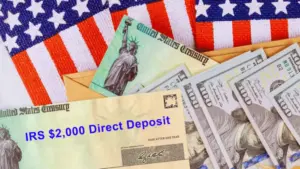
IRS Direct Deposit Relief Payment: Online discussions about a new IRS direct deposit relief payment have gained momentum in recent weeks, with social media posts claiming Americans could receive deposits of up to $2,000 or $1,390. These claims have circulated widely across blogs, short-video platforms, and financial forums, prompting many households to check bank accounts and search for official updates. However, based on available information and agency communications, there is currently no new federal stimulus or direct deposit relief payment announced for the timeframe mentioned in viral posts.
The spread of such claims is not entirely new. Similar rumors have surfaced periodically since pandemic-era stimulus programs ended. In practical terms, confusion often arises because tax refunds, credit adjustments, and state-level benefits sometimes overlap with speculation about new federal payments. As a result, many taxpayers find it difficult to distinguish between legitimate refunds and unverified claims. This makes it important to understand what the IRS has actually communicated, why these rumors are trending now, and what Americans should realistically expect in the coming months.

Social Media Claims Trigger Confusion About IRS Direct Deposits
Over the past several days, multiple online posts have suggested that the IRS has approved a new round of direct deposit relief payments. Some headlines mention “automatic deposits,” while others claim a fixed amount such as $2,000 or $1,390. These posts often include unofficial graphics, reused logos, or references to past stimulus programs, creating the impression that a new payment cycle is underway.
However, these claims appear to originate primarily from low-credibility websites and recycled content from earlier years. According to reports, many of these articles rely on outdated information from pandemic-era programs such as Economic Impact Payments. In practical terms, this creates a misleading narrative where readers assume a new benefit has been approved, even though no current legislation or announcement supports those claims.

Current IRS Communications Focus on Refunds and Credits
Available IRS updates indicate that the agency continues to process standard tax refunds, adjustments related to the Earned Income Tax Credit, and updates tied to the Child Tax Credit. These are routine financial processes that occur each tax season and may result in direct deposits for eligible taxpayers. However, these payments differ significantly from broad stimulus checks or universal relief programs.
For example, a taxpayer who recently filed returns may receive a deposit that appears unexpected, particularly if credits are recalculated. In such cases, the deposit may vary depending on income, filing status, and eligibility. This variation is one reason rumors gain traction, as individuals receiving legitimate refunds sometimes assume a new relief program has been launched when it is simply part of the regular tax cycle.
Why New Federal Payments Require Congressional Action
Unlike routine refunds, nationwide stimulus payments require legislation passed by Congress and signed into law. This process typically involves policy debate, budget allocation, and official announcement before payments begin. As of now, no new federal relief bill authorizing broad stimulus checks has been approved for the period mentioned in viral posts.
A useful comparison comes from the American Rescue Plan Act of 2021, which authorized nationwide stimulus payments during the pandemic. That program followed a formal legislative process and was widely communicated before payments were issued. In contrast, the current viral claims lack such legislative backing, which is a key reason analysts caution against assuming that new deposits are imminent.
How SEO-Driven Content and AI Blogs Fuel Rumors
Digital analysts suggest that search-optimized content plays a major role in spreading these claims. Articles designed to attract clicks often reuse trending keywords like “IRS payment,” “direct deposit,” and “stimulus update.” While these posts may appear informative, they sometimes combine speculation with outdated details, creating confusion among readers.
Cyber-security professionals also note that some posts redirect users to pages requesting personal details. In practical terms, this raises the risk of phishing attempts where individuals may unknowingly share banking or Social Security information. An expert familiar with digital fraud awareness explained, “When unexpected money is promised without official confirmation, verification becomes essential before taking any action.”
Real-World Example Shows How Confusion Happens
Consider a taxpayer who files a return and later receives a deposit reflecting a credit adjustment. If that individual also sees viral posts claiming new IRS payments, it may appear that the deposit is part of a nationwide relief program. In reality, the payment may simply be a routine refund adjustment processed after review.
This situation may vary by case, as refund timelines depend on factors such as filing method, documentation review, and credit eligibility. The overlap between routine payments and viral claims contributes to confusion, particularly during peak tax season when millions of deposits are processed simultaneously.
Verification Methods Taxpayers Can Use
To confirm whether a payment is legitimate, taxpayers can check official IRS tools such as refund tracking services and account portals. These platforms provide updated information about refund status and adjustments. In practical terms, checking official sources helps avoid reliance on social media posts that may not reflect current policy.
Another useful approach is reviewing official press releases and announcements. New federal payments are typically announced through formal channels before distribution begins. If no official communication is available, it is generally advisable to treat viral claims cautiously until verified information emerges.
Why the Topic Matters Now
Economic pressure from rising living costs continues to make potential relief payments a topic of interest. As households manage expenses such as housing, healthcare, and groceries, discussions about financial support tend to gain attention quickly. This environment makes it easier for unverified claims to spread, especially when people are actively searching for assistance.
At the same time, policymakers periodically review economic conditions, which keeps speculation alive. However, until formal announcements are made, expectations about new payments remain uncertain. This limitation is important, as relying on unconfirmed deposits may affect financial planning for some households.
Disclaimer: This article is based on publicly available information, reports, and general IRS communication patterns. Payment eligibility, timelines, and policy decisions may change depending on future legislation and official announcements. Readers are advised to verify updates through official government platforms before making financial decisions. Any deposits, refunds, or credits depend on individual eligibility and applicable guidelines, and results may vary by case.